

Morningside
Get to know Morningside and learn the best things to do in Morningside from the best Morningside travel agency.
If you'd like us to help you plan your trip to Morningside, please contact us on WhatsApp at -
What To See In Morningside
Charming place frequented by South Edinburgh locals.

Blackford Hill

Blackford Pond

Dominion Cinema

Morningside Gallery

Morningside Park

Braidburn Valley Park

Wild West Street

Hermitage of Braid
Where To Eat & Drink

La Telve

McLaren's on the Corner

Word of Mouth Cafe

The Edinburgh Larder
Where To Stay

Albyn Townhouse

Martins Guest House

Braid Hills Hotel
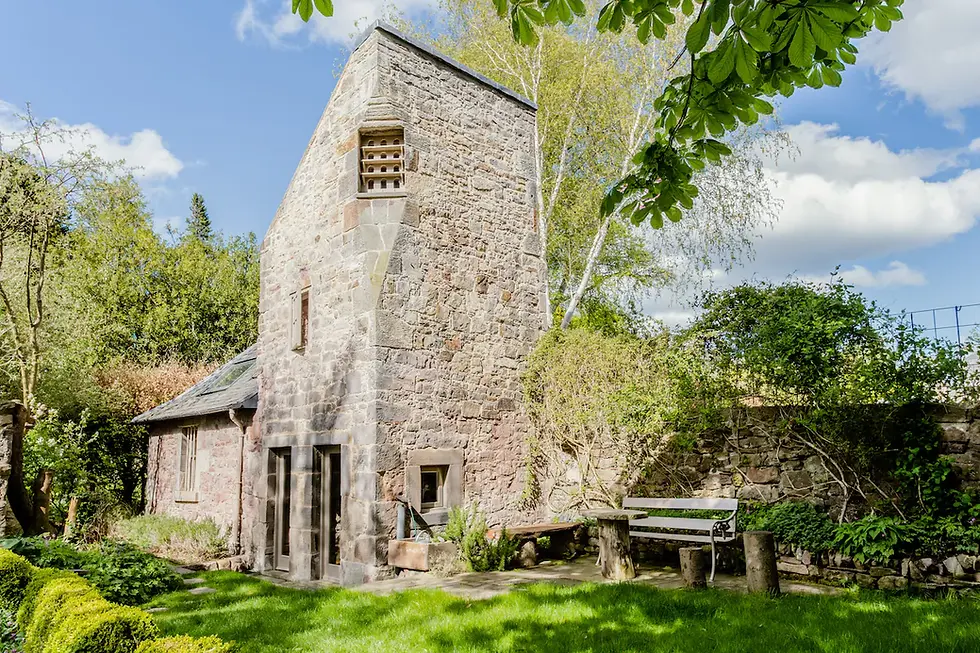
Airbnb
Getting to Morningside from Edinburgh city centre is quick and straightforward, making it an ideal neighbourhood to visit or stay in during your trip to Edinburgh.
By Bus
The easiest way to reach Morningside is by bus. Frequent Lothian Buses services, including routes 5, 11, 15, 16, 23, and 36, run from the city centre to Morningside throughout the day.
You can catch a bus from:
-
Princes Street
-
North Bridge
-
Near Edinburgh Waverley Station
The journey typically takes 15–25 minutes, depending on traffic. Contactless payment is accepted, and buses run every few minutes.
On Foot
If you'd like to explore more of Edinburgh, walking to Morningside is a great option. The walk takes around 40–50 minutes and passes through some of the city's most attractive neighbourhoods.
A popular route is:
-
Princes Street
-
The Meadows
-
Bruntsfield
-
Morningside
Along the way you'll find beautiful green spaces, independent cafés, and elegant Victorian architecture.
By Taxi
A taxi or rideshare from Edinburgh city centre to Morningside takes approximately 10–15 minutes, depending on traffic. This is the quickest option if you're travelling with luggage or visiting during poor weather.
Morningside is one of Edinburgh's most charming and historic neighbourhoods, with a story that stretches back more than 400 years. Today it's known for its leafy streets, independent shops and welcoming village atmosphere, but its origins were far more rural.
The area developed on land that once formed part of the Burgh Muir, a large expanse of common land gifted to the city by King David I in the 12th century. In 1586, parts of the Burgh Muir were sold by Edinburgh's Town Council to help fund recovery from a devastating outbreak of plague. This marked the beginning of Morningside's recorded history as a small rural settlement.
By the 18th century, Morningside was little more than a handful of thatched cottages, a blacksmith's forge and a stopping point on the main drove road into Edinburgh. Farmers travelling from the south would pass through the village on their way to the city's markets, helping establish Morningside as a small but important local community. During the 19th century, Morningside underwent a remarkable transformation.
Wealthy Edinburgh residents were attracted by the cleaner air, open countryside and easy access to the city. Large Victorian villas and elegant townhouses were built across former estates, many of which still define the area's distinctive character today.
The arrival of horse-drawn trams in the 1870s, followed by the opening of Morningside Railway Station in 1884, made travel to and from the city centre much easier. These improved transport links encouraged further residential development, while schools, churches, shops, a public library and the iconic Dominion Cinema helped establish Morningside as one of Edinburgh's most desirable suburbs.
Today, Morningside has retained much of its historic charm. Its tree-lined streets, Victorian architecture, independent cafés, boutiques and green spaces continue to attract both visitors and residents. Hidden gems such as the quirky Wild West Street, tucked away just off Morningside Road, add an unexpected twist to the neighbourhood's rich heritage.
Whether you're exploring its history, enjoying its thriving café culture or discovering nearby parks and nature reserves, Morningside offers a unique blend of Edinburgh's past and present, making it one of the city's most distinctive and welcoming neighbourhoods.